Life Coaching
In the current dynamic environment, people are exposed to a lot of situations leading to emotional exhaustion, stress, mental fatigue, low energy levels, and feeling out of balance without necessarily knowing why. Holistic health practices involve assessing the link between emotions, energy levels, and overall health. One of the practices includes chakra balancing to restore balance in an individual’s energy centers.
At The NeuroMind, the chakra balancing process involves the use of personalized wellness strategies meant for relaxing the person being served, as well as developing his or her awareness about emotions and other things. Holistic health professionals such as Sneha Dhama engage in energy healing and life coaching among others during chakra balancing.
Chakra balancing involves a holistic health practice which is founded on the belief of existence of energy centers in the human body known as chakras. It involves examining various emotions and energy aspects.
There are seven main chakras identified traditionally in relation to aspects of life, namely:
The goal of chakra balancing is to encourage harmony and enhance the energy awareness flow within the body and mind.
Chakra balancing is often used when people experience:
Chakra balancing can be regarded as a complementary practice that enhances emotional balance and self-awareness.
Chakra sessions tend to be relaxed and guided. According to one’s preferences, a chakra balancing session could involve:
Everything is customized according to personal preference and health goals. Every person will experience a unique sensation during chakra sessions. Some people claim to feel lighter, calmer, more relaxed or emotionally balanced.
Emotional stress can impact our thoughts, relationships, and overall functioning.
Chakra balancing may facilitate:
Creation of emotional space usually contributes to holistic wellness.
A lot of people tend to undergo chakra balancing when they experience mental exhaustion or emotional distress.
Sessions may be helpful in:
Creating harmony rather than imposing changes.
Chakra balancing may be one of the themes that a person explores while transforming and growing personally.
People often combine sessions with:
This allows for personal exploration and growth.
During chakra balancing sessions at The NeuroMind people can apply various complementary wellness practices.
They may include:
All of which make the process very personal and holistic.
Chakra balancing is used by people who wish to have experiences like:
● Emotional balance
● More relaxation
● Mindfulness
● Self-awareness
● Inner peace
● Concentration improvement
● Personal growth support
● Deeper connection with oneself


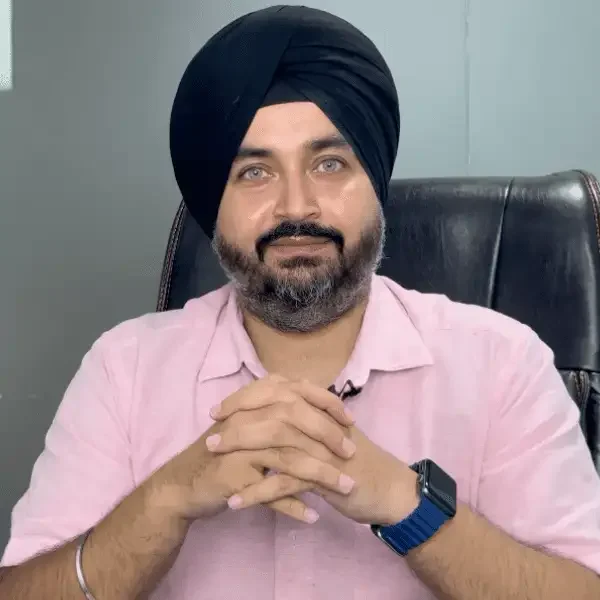
Senior Psychiatrist - 12+ Years Experience
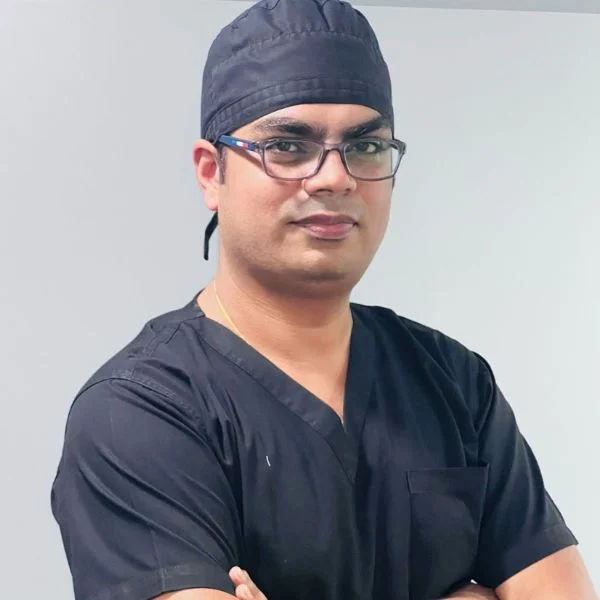
Neuro Surgeon - 10+ Years Experience
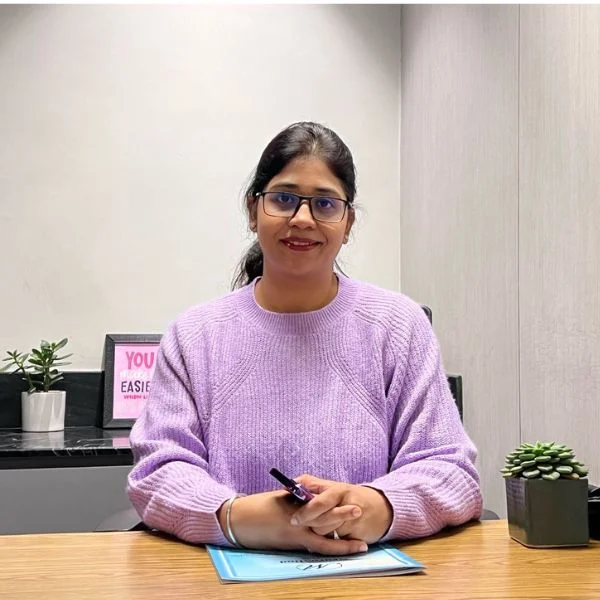
Senior Psychiatrist - 10+ Years Experience
MBBS MD ( Sr. Anaesthesiologist) - 10+ Years Experience
Chakra balancing is a holistic healing practice that focuses on aligning and harmonizing the body’s energy centers, known as chakras, to support emotional, mental, physical, and spiritual well-being.
Chakra balancing aims to identify energy blockages or imbalances within the body’s chakras and restore a healthy flow of energy through various healing techniques and guided practices.
The seven primary chakras are the Root Chakra, Sacral Chakra, Solar Plexus Chakra, Heart Chakra, Throat Chakra, Third Eye Chakra, and Crown Chakra. Each chakra is associated with specific emotional and physical aspects of well-being.
Common signs may include stress, emotional imbalance, lack of focus, fatigue, anxiety, low confidence, relationship difficulties, and feelings of being disconnected or overwhelmed.
NeuroMind TMS is a centre that specializes in providing services for depression, anxiety, OCD and mental health treatment. The founder of the centre is Dr. Nazim Ali Idrisi. The aim of NeuroMind TMS is to offer effective and accessible mental healthcare to individuals, regardless of their location.
J-203, Block J, Saket, New Delhi, Delhi 110017, India
© 2018-2024, NeuroMindTMS. All Rights Reserved.