Fastest Treatment for Depression, Anxiety, OCD & Mental Health +91-8800328776
Our Youtube Videos
About NeuroMind TMS Centre
NeuroMind TMS is a center that specializes in providing world-class and advanced treatments for mental health. The clinic offers TMS (Transcranial Magnetic Stimulation), rTMS (Repetitive Transcranial Magnetic Stimulation), and dTMS (Deep Transcranial Magnetic Stimulation) therapies — all designed to provide safe, evidence-based, and non-invasive care.
TMS is an FDA-approved, non-invasive, and non-systemic medical treatment proven effective for individuals suffering from Depression, Anxiety, OCD, and PTSD. Over 160 clinical trials conducted over the last 23 years by leading scientific institutions have validated its success in improving mental health outcomes.
Dr. Nazim Ali Idrisi, the Founder & Director of NeuroMind TMS, aims to make mental healthcare practical and accessible for all, regardless of location. Under his leadership, NeuroMind TMS continues to introduce highly effective and fast-acting treatments, including Ketamine therapy, which has shown remarkable results in treating depression, anxiety, OCD, PTSD, Suicidality and other treatment-resistant mental health disorders.
With 3000+ patients successfully treated, NeuroMind TMS stands as a trusted destination for individuals seeking safe, science-backed, and rapid mental health recovery.
About Founder- Dr. Nazim Ali
Dr. Nazim Ali Idrisi and his team have come up with an advanced treatment — Transcranial Magnetic Stimulation (TMS) — a technique that uses a magnetic field to influence brain activity. It can treat depression, anxiety, Obsessive-Compulsive Disorder (OCD), Post-Traumatic Stress Disorder (PTSD), and other brain-related conditions. It’s a non-invasive, non-systemic, FDA-approved therapy that has successfully treated 3000+ people worldwide. It can help when other treatment approaches aren’t effective.
Also, DeepTMS (Deep Transcranial Magnetic Stimulation) is an even more advanced technique that reaches deeper brain regions and has been shown to be, especially in cases of Obsessive-Compulsive Disorder (OCD). It provides enhanced results compared to rTMS, making it a breakthrough in non-invasive brain stimulation therapies.
Dr. Nazim Ali and his team have also introduced Ketamine Assisted Therapy (KAT) for Major Depressive Disorder (MDD) — a novel and fast-acting treatment for stubborn depression. Ketamine modulates the activity of glutamate, a brain chemical that plays a key role in stimulating the growth of new brain connections.
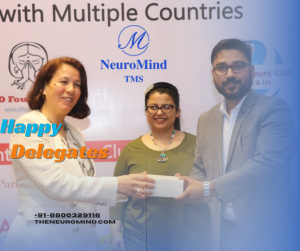
Dr. Nazim Ali Idrisi was the former Managing Director of the Mind Brain Institute and has been awarded Best TMS Expert by the Hindustan Pride Awards, presented by Haryana CM Shri Nayab Singh Saini. Dr. Nazim Ali is a Certified TMS Therapist.
Awards & Recognitions.
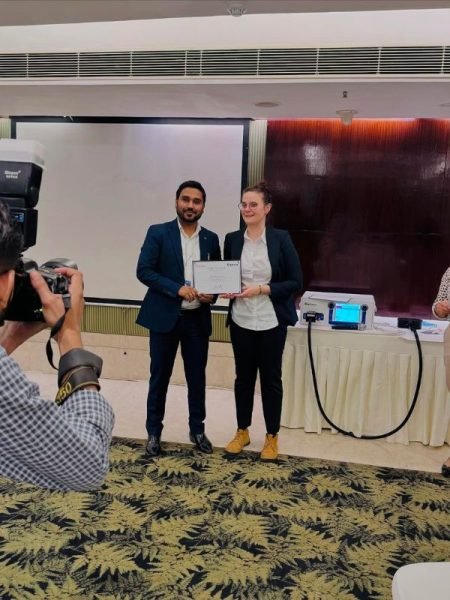
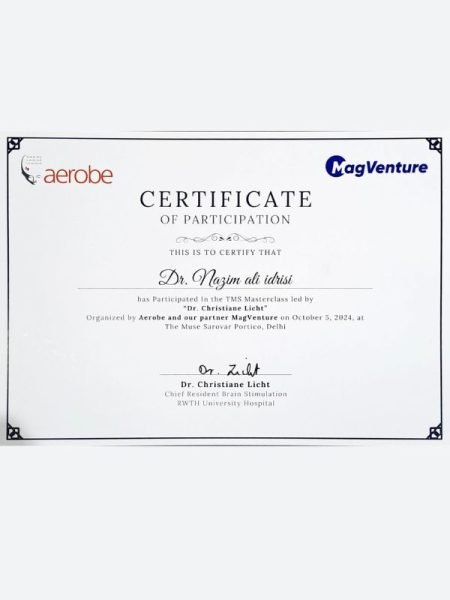
Certified in the TMS Masterclass by renowned expert Dr. Christiane Licht, Chief Resident of Brain Stimulation at RWTH University Hospital, Germany.
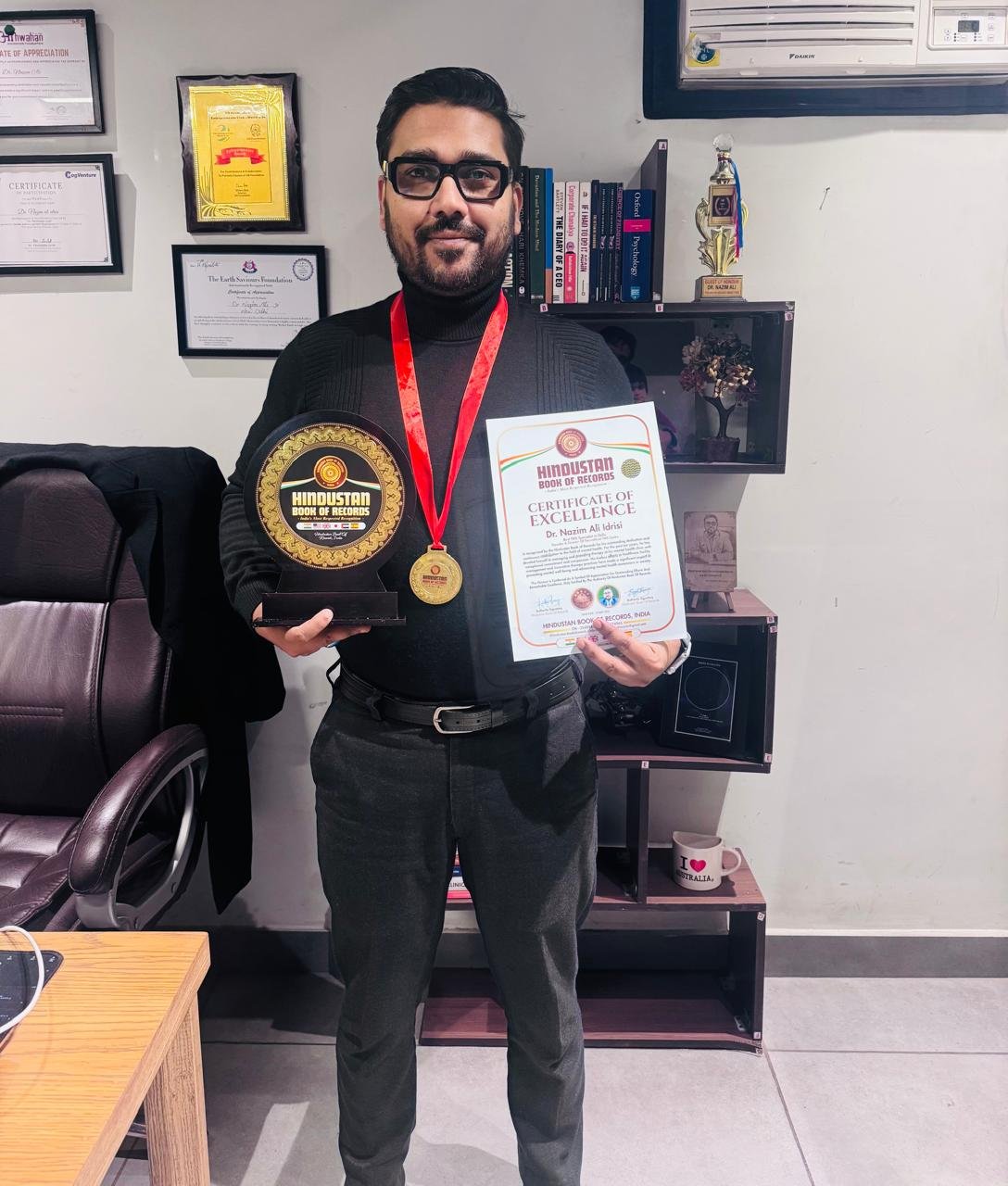
Awarded Certificate of Excellence By Hindustan Book Of Records
Certificate Of Appreciation for Outstanding Contribution to the Mental health segment through The Earth Saviours Foundation.
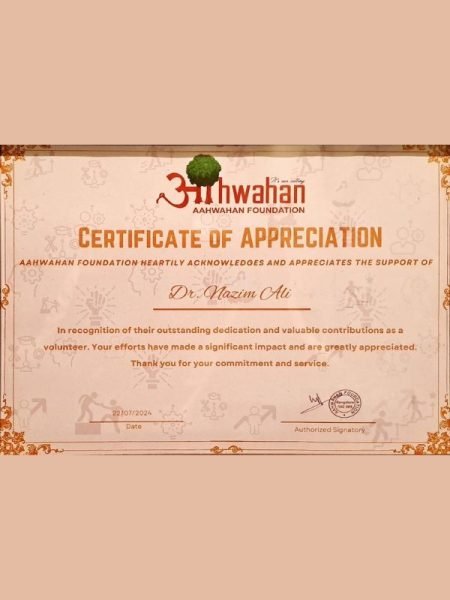
Recognized for outstanding contributions to the health segment through Aahwahan Foundation.
Awarded Best TMS Expert in India by the Hindustan Pride Awards, presented by Haryana CM Shri Nayab Singh Saini.
Transcranial Magnetic Stimulation (TMS) is a non-invasive, FDA-approved therapy primarily used to treat major depressive disorder (MDD) and other mental health conditions. It involves using magnetic fields to stimulate specific areas of the brain, particularly those involved in mood regulation. TMS offers hope to individuals who haven’t responded well to traditional treatments like medication or talk therapy.
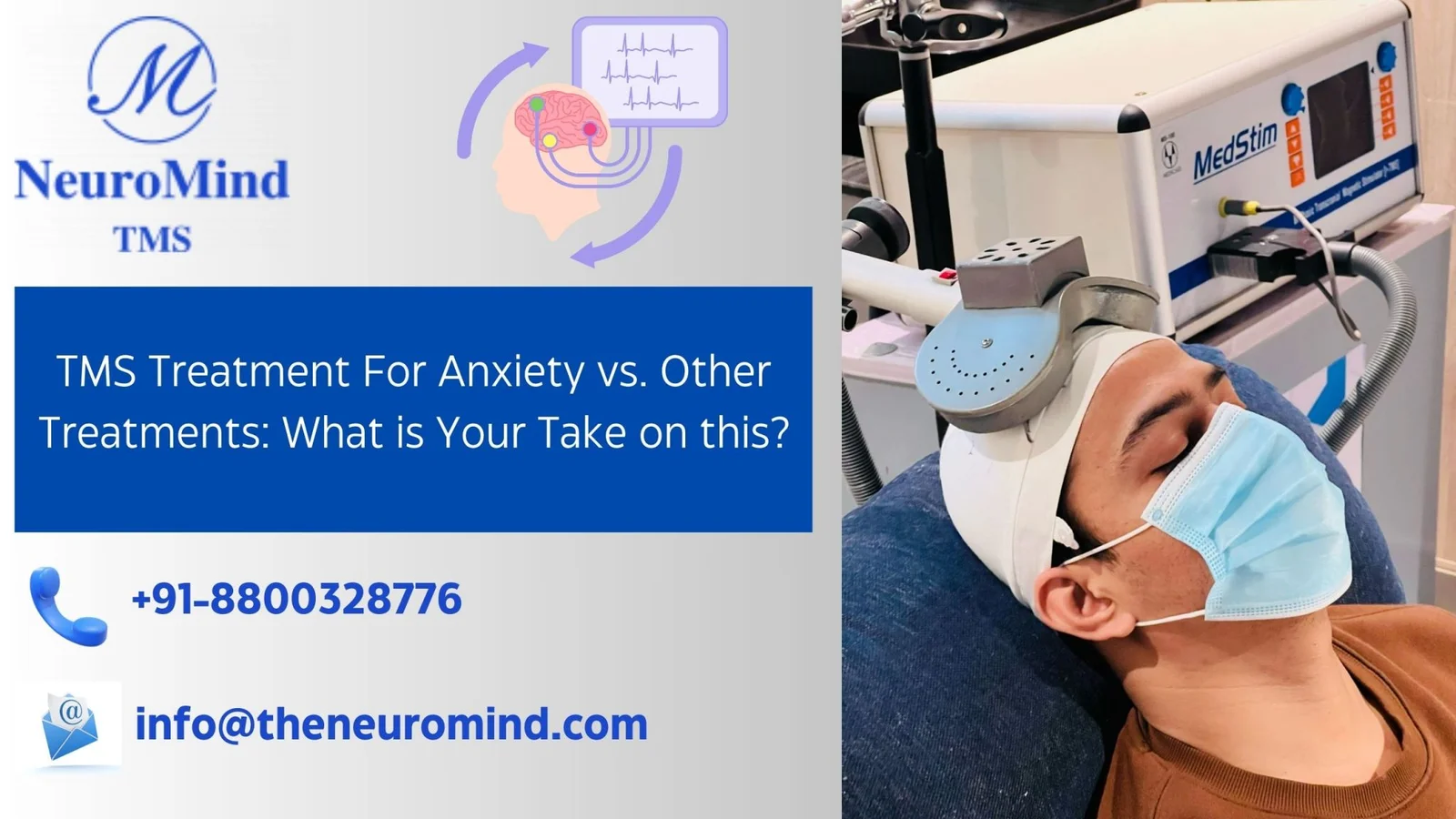
TMS works by delivering repetitive magnetic pulses—hence the term repetitive TMS (rTMS)—through a coil placed gently on the scalp. These magnetic pulses pass painlessly through the skull and stimulate nerve cells in the prefrontal cortex, a region often underactive in people with depression. By activating these areas, TMS helps rebalance brain activity, leading to improvements in mood and overall functioning.
One of the biggest advantages of TMS is that it is non-invasive and drug-free. Unlike medications, which can cause side effects such as weight gain, fatigue, or sexual dysfunction, TMS is generally well-tolerated with minimal side effects. The most commonly reported side effects are mild scalp discomfort or headaches during or after treatment, which usually subside after a few sessions.
A typical TMS treatment course involves daily sessions (usually five days per week) over a period of four to six weeks. Each session lasts about 20 to 40 minutes. While some people start noticing benefits within the first few weeks, others may require the full course of treatment to experience significant improvement. Maintenance sessions may be recommended to sustain results over time. TMS has shown promising results not only for depression but also for anxiety disorders, post-traumatic stress disorder (PTSD), obsessive-compulsive disorder (OCD), and even chronic pain. In fact, TMS for OCD has received FDA clearance as well. Research into its applications continues to expand, offering new possibilities for those with treatment-resistant conditions.
View more
Ketamine Infusion Therapy is an innovative and fast-acting treatment option for individuals struggling with treatment-resistant mental health conditions such as major depressive disorder (MDD), anxiety, post-traumatic stress disorder (PTSD), and chronic pain. Originally developed as an anesthetic, ketamine has, in recent years, gained recognition for its powerful antidepressant effects when administered in low doses under medical supervision.
Unlike traditional antidepressants, which may take weeks to show results, ketamine can begin to relieve symptoms within hours or days. This rapid response is especially beneficial for individuals experiencing severe depression or suicidal thoughts. Ketamine works by targeting the brain's glutamate system, which plays a critical role in mood regulation and neuroplasticity. By enhancing communication between brain cells and promoting the growth of new neural connections, ketamine helps reset abnormal activity patterns in the brain associated with depression and trauma.
Ketamine Infusion Therapy typically involves the intravenous (IV) administration of ketamine in a controlled clinical setting. During each session, the patient is closely monitored by trained medical professionals to ensure safety and comfort. A standard course of treatment usually includes a series of six infusions over two to three weeks, followed by maintenance sessions as needed. Each infusion lasts approximately 40 minutes to one hour.
Patients often report a dissociative or dream-like state during the infusion, which fades shortly after the session ends. Most individuals can resume normal activities the next day, although it’s recommended to arrange transportation home after each session. Side effects are generally mild and temporary, including dizziness, nausea, or fatigue.One of the key advantages of ketamine therapy is its ability to help those who have not responded to other treatments. It is often referred to as a "reset" for the brain, enabling patients to break free from the persistent cycle of negative thoughts and emotional numbness. For many, this provides a critical window of relief that allows them to re-engage with therapy, relationships, and daily life.
View more
Virtual Reality (VR) Therapy utilizes immersive technology to simulate real-life scenarios, aiding in the treatment of phobias, PTSD, and anxiety disorders. By exposing patients to controlled environments, therapists can help them confront and manage their fears safely. VR Therapy offers a dynamic and interactive approach, enhancing traditional therapeutic methods and providing measurable progress in a controlled setting. View more
Counselling combined with Cognitive Behavioral Therapy (CBT) focuses on identifying and altering negative thought patterns and behaviors. This integrated approach is effective for treating depression, anxiety, and other mental health issues. Through structured sessions, individuals learn coping strategies, problem-solving skills, and techniques to manage stress, leading to improved emotional well-being and resilience. View more
Yoga Therapy incorporates physical postures, breathing exercises, and meditation to promote mental and physical health. Tailored to individual needs, it addresses issues like stress, anxiety, and chronic pain. Regular practice enhances flexibility, balance, and inner peace, serving as a complementary treatment alongside conventional medical care.View more
Sound Healing employs vibrational frequencies from instruments like singing bowls and gongs to induce relaxation and healing. This therapy aims to balance energy fields, reduce stress, and improve emotional well-being. Participants often experience deep meditative states, facilitating mental clarity and emotional release. View more
Cognitive Therapy centers on identifying and challenging distorted thinking patterns that contribute to emotional distress. By restructuring these thoughts, individuals can alter their emotional responses and behaviors. This therapy is effective for conditions like depression and anxiety, promoting healthier thinking and coping mechanisms. View more
Behaviour Therapy focuses on modifying harmful behaviors through reinforcement strategies and skill-building. Techniques such as exposure therapy and positive reinforcement help individuals develop healthier habits. It's particularly effective for treating phobias, OCD, and behavioral issues, leading to improved daily functioning.View more
Stress Management Therapy encompasses techniques like mindfulness, relaxation exercises, and cognitive restructuring to help individuals cope with stress. By identifying stressors and developing coping strategies, this therapy enhances resilience and overall well-being, reducing the risk of stress-related health issues.View more
Deep Transcranial Magnetic Stimulation (Deep TMS) is a non-invasive, clinically proven neuromodulation treatment that uses magnetic pulses to stimulate specific brain circuits associated with mood, anxiety, compulsive behavior, and other psychiatric conditions. Unlike traditional TMS, Deep TMS can reach deeper and broader areas of the brain, thanks to its specialized helmet and proprietary H-coil.
View more
Professional counselling to manage depression, anxiety, OCD, and mood disorders through therapeutic approaches.
Targeted counselling for ADHD to improve attention, reduce impulsivity, and enhance focus.
Specialized counselling helps individuals with autism develop communication and social interaction skills.
Therapeutic support to overcome addiction and build coping mechanisms for long-term recovery.
Learn about depression, its symptoms, and how various treatments can help improve mood and functioning.
Understand anxiety and discover strategies to manage panic attacks and excessive worry.
OCD treatment includes therapy and medication to reduce intrusive thoughts and compulsions.
PTSD therapy helps manage trauma-related stress through structured interventions and support.
Learn about migraines, their triggers, and effective prevention and treatment options.
Bipolar disorder involves mood swings that can be managed with medication and therapy.
Seizures are sudden electrical disturbances in the brain; discover treatments and prevention methods. View more
Fits can be symptoms of epilepsy or other conditions. Learn about diagnosis and care.
Stroke is a medical emergency requiring immediate care; explore recovery options and rehabilitation.
ALS is a neurodegenerative condition; find support and therapy options to manage symptoms.
Alzheimer's disease affects memory and thinking; early intervention improves quality of life.
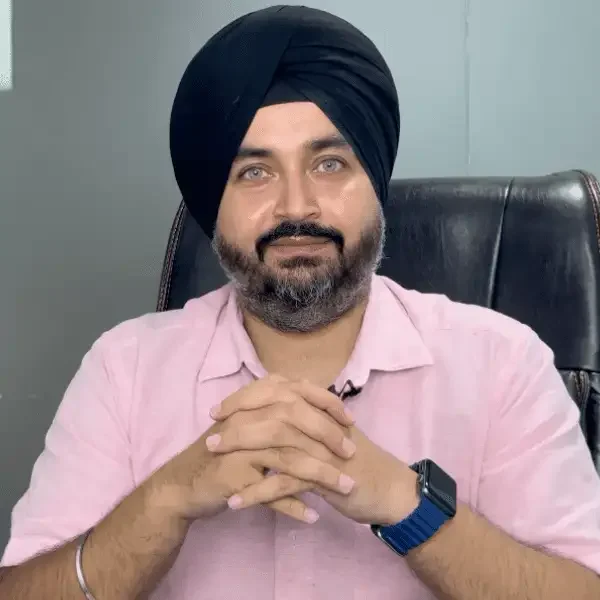
Dr. Angad Singh Kochar is a trusted Senior Psychiatrist in Neuro Mind TMS Center Delhi. He is a medical director at Neuro Mind TMS. He has been a successful Psychiatrist for the last 6 years. He is a qualified MBBS, MD – Psychiatry. He is also a TMS expert. You can consult Dr. Angad Singh Kochar at Neuro Mind TMS Center, Delhi.
International Fellow of the American Psychiatric Association (IFAPA), Fellow of the Indian Psychiatric Society (FIPS), National Academy of Medical Science Award in 2014 (Dr. SS Misra Award), Executive member of IPS nominated as Co-Chairperson of IPS Headquarters Subcommittee.
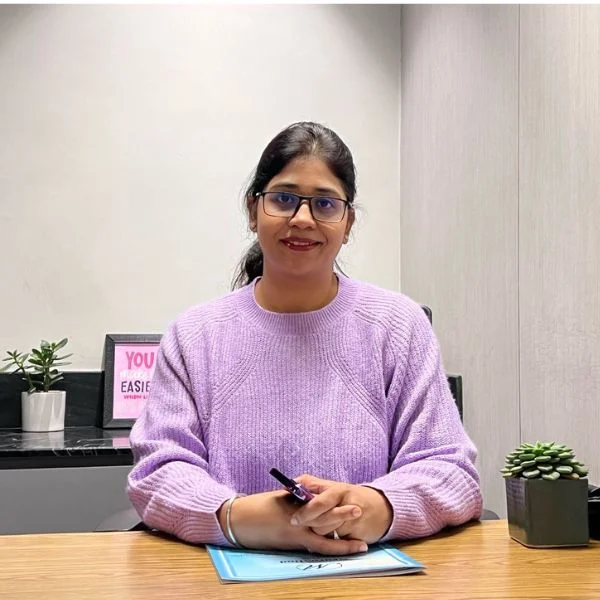
Dr. Desiree Saimbi says who working with NeuroMind TMS as Senior Psychiatrist “An experienced psychiatrist, who after practicing in Lucknow as a Geriatric Psychiatrist in KGMC,moved to New Delhi. Awarded with many honours during my post graduation and even thereafter. She is frequently quoted in leading newspapers of Delhi for topics related to mental health and wellbeing. She has provided students of Delhi University with stress management workshops and delivered few radio talks in association with NIOS (noida) to create awareness on mental health. I strongly believe that one’s health lies in his own mind. I am a dedicated professional who strikes a good rapport with her patients and provides them empathetic care through problem solving , medication and talking over things.”
Cofounder & Medical Director TMS Program | Neuro Surgeon - 10+ Years Experience
Dr. Pranjal Pandey
Cofounder & Medical Director TMS Program | Neuro Surgeon - 10+ Years Experience
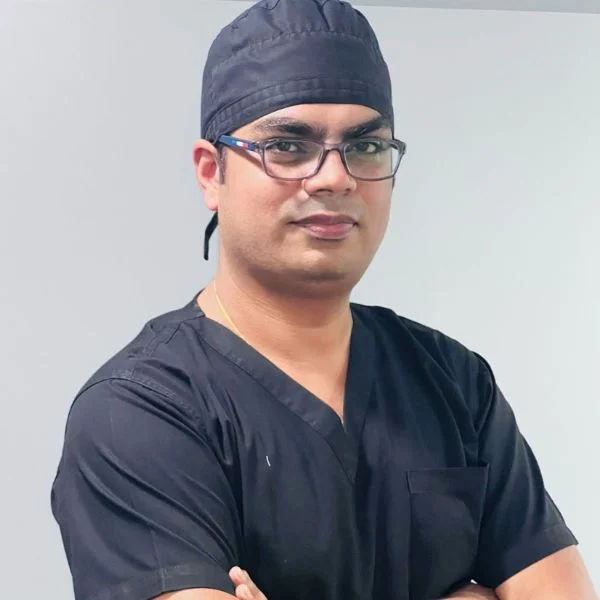
Dr. Pranjal Pandey academic career began with his MBBS training at SNMC, Agra with honours and distinctions. He completed his MS General Surgery training at the prestigious I.P.G.M.E.R., Kolkata, and his MCh in neurosurgery at I.P.G.M.E.R/B.I.N, Kolkata. He was awarded as the best resident in neurosurgery and was a regional and zonal winner at TYSA neurosurgery. He also has original papers in peer-reviewed publications of national and international repute.
He was previously associated with Fortis Memorial Research Institute, Gurugram and was consultant neurosurgeon at Columbia Asia Hospital, Ghaziabad.
He is a dynamic and versatile neurosurgeon in Delhi. In a short span of time, he has made a name for himself in the field of neurosurgery and currently offers the latest in minimally invasive microsurgical and endoscopic cranial and spinal surgery which continues to impact thousands of lives.
We offer personalized mental health and neuro-wellness treatments, including psychotherapy, counseling, TMS/dTMS, Ketamine-assisted therapy, stress management, addiction support, and advanced care for anxiety, depression, OCD, PTSD, and more.
How do I know which treatment is right for me?
Your treatment starts with a detailed assessment by our clinical team. After understanding your symptoms, medical history, and lifestyle needs, we create a tailored treatment plan that may include therapy, medication, neurostimulation treatments, or a combined approach.
Are your treatments safe and scientifically supported?
Yes. Our therapies—such as CBT, TMS/dTMS, VR Therapy, Ketamine therapy, and other clinical interventions—are evidence-based, FDA-approved (where applicable), and performed under professional supervision.