Smoking Cessation Treatment

How Science-Backed Brain Therapy Is Changing Smoking Cessation

Smoking is wrongly perceived to be a habit to be quit with the help of one’s determination and will-power. However, in today’s neuroscience, the facts are dramatically different. Nicotine changes the chemistry of the brain, affecting the reward and control systems. This leads to purely neurologic dependency, and not mere habit. This is why people who want to give up on smoking are often unable to do so.

Increasing numbers of specialized cessation programs have emerged in recent years with the specific objective of addressing the smoking addiction at the neurological level. Whereas the traditional remedy is focused on administering support through nicotine replacement therapy and counseling, it is aimed at areas in the brain associated with cravings and reward.

Why Smoking Becomes a Brain Dependency

Smoking affects the reward mechanism in the brain through the stimulation of the release of the neurotransmitter, resulting in feelings of pleasure. The brain gets accustomed to the function of the nicotine through the exposure. Important regions in the brain, such as the prefrontal cortex, accountable for regulating judgment, impulse control, and emotions, get impaired.

This is why a person’s cravings are so overwhelming and why some people experience irritability, anxiety, difficulty concentrating when they don’t get to smoke.

A Neuroscience-Driven Treatment Model

These days, the new treatments for smoking addiction more and more incorporate the framework of neuroscience and the restoration of normal brain function. The idea is not only to resist the cravings but to rebalance the brain pathways which drive the addiction to begin with.

TMS and Deep TMS

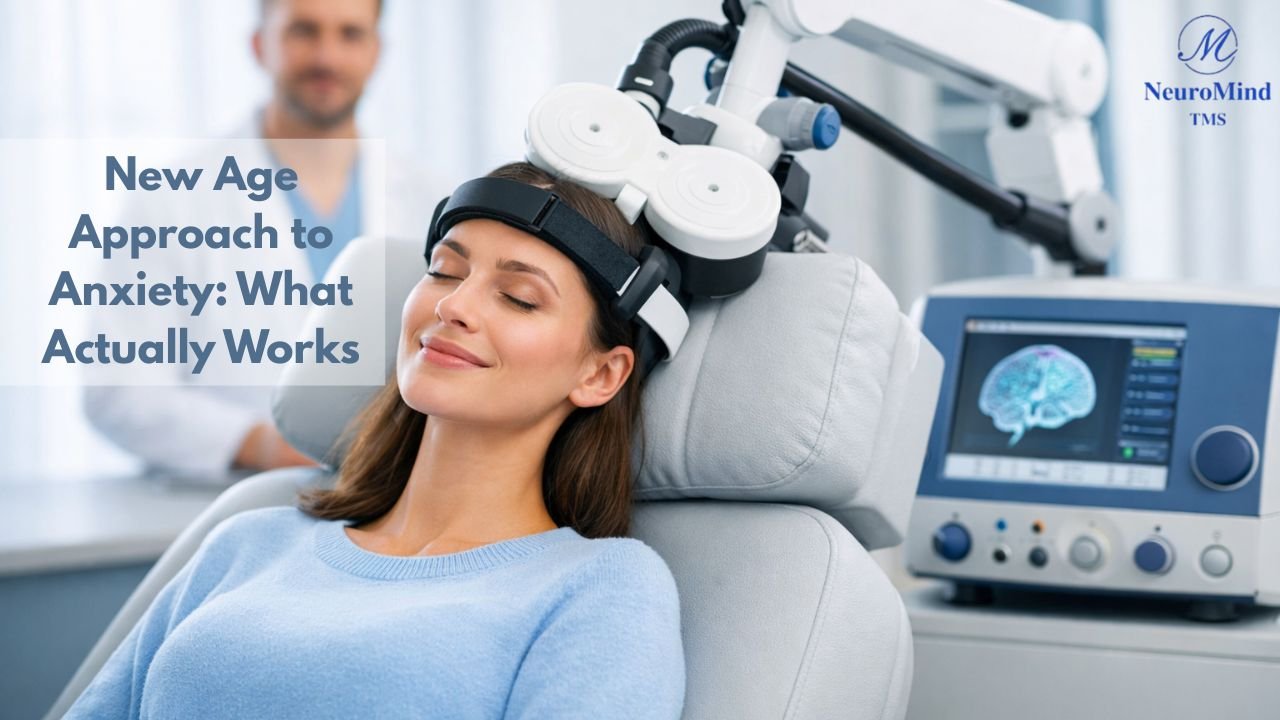
Transcranial Magnetic Stimulation (TMS) and Deep Transcranial Magnetic Stimulation (dTMS) have been shown to be non-invasive procedures that focus on magnetic pulses that stimulate certain areas in the brain associated with addictive and impulse control behaviors. These procedures have been FDA-cleared and have been supported by an increasing number of clinical studies around the world.

Reported clinical endpoints typically include:

  • Dramatic drop in nicotine cravings
  • Enhancements in impulse control and emotional regulation
  • Lower intensity of withdrawal symptoms
  • Lower likelihood of relapse

Being drug-free and non-systemic, this therapy is even more beneficial for people who have found no relief from mainstream methods of smoking cessation.

Personalized Psychiatric and Psychological Care

Addiction treatment programs include extensive psychiatric and psychological care

Neurostimulation alone is never sufficient by itself. Addiction entails a variety of factors, including both neurological and psychological components. This is why more advanced addiction treatment programs include extensive psychiatric and psychological care into their strategy.

Every person receives a thorough evaluation that takes into account:

  • Extent of Smoking
  • The extent of Previous cessation attempts
  • Having other conditions of mental health, such as anxiety, depression

On the basis of the assessment, the personal plan would comprise:

  • Cognitive Behavioral Therapy (CBT)
  • Handling stress and trigger factors
  • Counseling is aimed at long-term relapse prevention.

This will help in managing the cravings in a neurological fashion while dealing simultaneously with behavioral and emotional issues.

Faster Results: The Importance of 5-10 Days

Unlike the usual programs for quitting smoking, which would take months to finish, the objective of brain-targeting therapies is to provide a quick stabilization of the brain. Many people have noticed improvements even in a few sessions.

Commonly cited benefits include:

  • Early and sustained reduction of cravings
  • Improved focus and control of emotions
  • Increased quality of sleep and increased levels of energy during the day

The focus is not merely on immediate outcomes, but the focus is on rewiring of the brain to lead to abstinence for longer duration.

Evidence-Based Practice and Clinical Expertise

These treatment options have been based on the knowledge acquired from over decades of research in the field of neurosciences and the results of over 160 clinical trials in the international community.

NeuroMind is one such establishment that has implemented this model in thousands of cases, not only for nicotine addiction but for related conditions such as anxiety disorders, depression, OCD, and PTSD too.

A Brain-Focused Approach for Long-Term Recovery

This new method directly attacks the neural roots of addiction, and it gives the recovering addict a more organized and better route to quitting smoking forever. This method helps addicts overcome their addiction to quitting smoking, and it helps them recover their normal function of the brain. The method, along with NeuroMind, puts emphasis on “patient safety and outcome measurements.”

Send a Quick Inquiry

Treatment with TMS Therapy

Depression

Anxiety

OCD

PTSD

Migraine

Bipolar Disorder

Doctors that helps in particular therapy

Dr. Angad Singh Kochar

Senior Psychiatrist - 12+ Years Experience

Dr. Pranjal Pandey

Neuro Surgeon - 10+ Years Experience

Dr. Desiree Saimbi

Senior Psychiatrist - 10+ Years Experience

Dr. Varun Prakash

MBBS MD ( Sr. Anaesthesiologist) - 10+ Years Experience
Related Blogs

Understanding Long-Term Management & Treatment- Can OCD Be Cured Permanently?

A chronic mental illness better known as obsessive-compulsive disorder or OCD is typified by recurrent, bothersome thoughts as well as...

Urban Depression: The Hidden Mental Health Crisis Growing in Delhi & How to Get the Right Treatment

Delhi is moving fast. However, Delhi sometimes gets too fast for the human mind to keep up. Factors like long work hours, unpredictable...

Strengthen Your Mind Against Stress and Anxiety: Manage Its Impact

People from all over the world, living fast-paced lives, experience stress and anxiety every day. When committed to triggering...

Why Do Some Teens Develop OCD? Exploring the Causes and Triggers

Obsessive-compulsive disorder (OCD) is a mental health issue that can impact anyone but is most likely to start in adolescence. Many...

Related Youtube Videos

WHO WE ARE

Generally Asked Questions.

What is the most successful treatment for depression in delhi?

The most successful treatment for depression in delhi is a combination of non medication by the TMS.TMS works by creating a magnetic field that passes through the skull and stimulates nerve cells in the brain. This stimulation can help to improve mood, reduce Depression, and relieve pain.

Is there a permanent cure for depression?

Yes TMS is a promising new treatment for depression and other mental health conditions. It is a safe and effective option for people who have not responded to other treatments.

What is the complete treatment of depression?

TMS is successful treatment for depression is a combination of non medication treatment.procedure is painless and takes about 30 minutes per session. Most people receive TMS treatment 5 times per week for 4-6 weeks.

Is depression a lifelong condition?

Depression is not a lifelong condition, but it can be a chronic one. This means that it can come and go over the time.