Fits Treatment by NeuroMind TMS

Fits, also known as seizures, are sudden, uncontrolled electrical disturbances in the brain that cause temporary changes in behavior, movement, sensation, or awareness. Seizures can be caused by a variety of factors, including brain injury, stroke, infection, and certain medications.

There are many different types of fits, but they can be broadly categorized into two main types: focal seizures and generalized seizures.

  • Focal seizures start in a specific area of the brain. They can cause a variety of symptoms, depending on the area of the brain that is affected. For example, a focal seizure that starts in the motor cortex can cause muscle twitching or jerking, while a focal seizure that starts in the visual cortex can cause visual disturbances.
  • Generalized seizures involve both sides of the brain. They are often more severe than focal seizures and can cause a loss of consciousness. The most common type of generalized seizure is the tonic-clonic seizure, which is also known as a grand mal seizure.

The treatment for fits is determined by the type of seizure, the frequency of seizures, and the underlying cause of the seizures. In most cases, the first line of treatment is medication. There are many different types of anti-seizure medications available, and your doctor will work with you to find the medication that is right for you.

If medication is not effective in controlling seizures, other treatment options may be considered. These options include:

  • Vagus nerve stimulation (VNS). A small device is implanted in the chest that sends electrical impulses to the vagus nerve. The vagus nerve is a nerve that runs from the brain to the heart and other organs. VNS is thought to help control seizures by stimulating the brain’s inhibitory pathways.
  • Dietary therapy. A special diet called the ketogenic diet can be effective in controlling seizures in some people. The ketogenic diet is high in fat and low in carbohydrates. This type of diet helps to change the way the brain uses energy, which can help to prevent seizures.
  • Surgery. In some cases, surgery may be an option for people with seizures that cannot be controlled with medication or other treatments. Surgery can involve removing the part of the brain that is causing the seizures.

Send a Quick Inquiry

Treatment with TMS Therapy

Depression

Anxiety

OCD

PTSD

Migraine

Bipolar Disorder

Doctors that helps in particular therapy

Dr. Angad Singh Kochar

Senior Psychiatrist - 12+ Years Experience

Dr. Pranjal Pandey

Neuro Surgeon - 10+ Years Experience

Dr. Desiree Saimbi

Senior Psychiatrist - 10+ Years Experience

Dr. Varun Prakash

MBBS MD ( Sr. Anaesthesiologist) - 10+ Years Experience
Related Blogs

Strengthen Your Mind Against Stress and Anxiety: Manage Its Impact

People from all over the world, living fast-paced lives, experience stress and anxiety every day. When committed to triggering...

Why Do Some Teens Develop OCD? Exploring the Causes and Triggers

Obsessive-compulsive disorder (OCD) is a mental health issue that can impact anyone but is most likely to start in adolescence. Many...

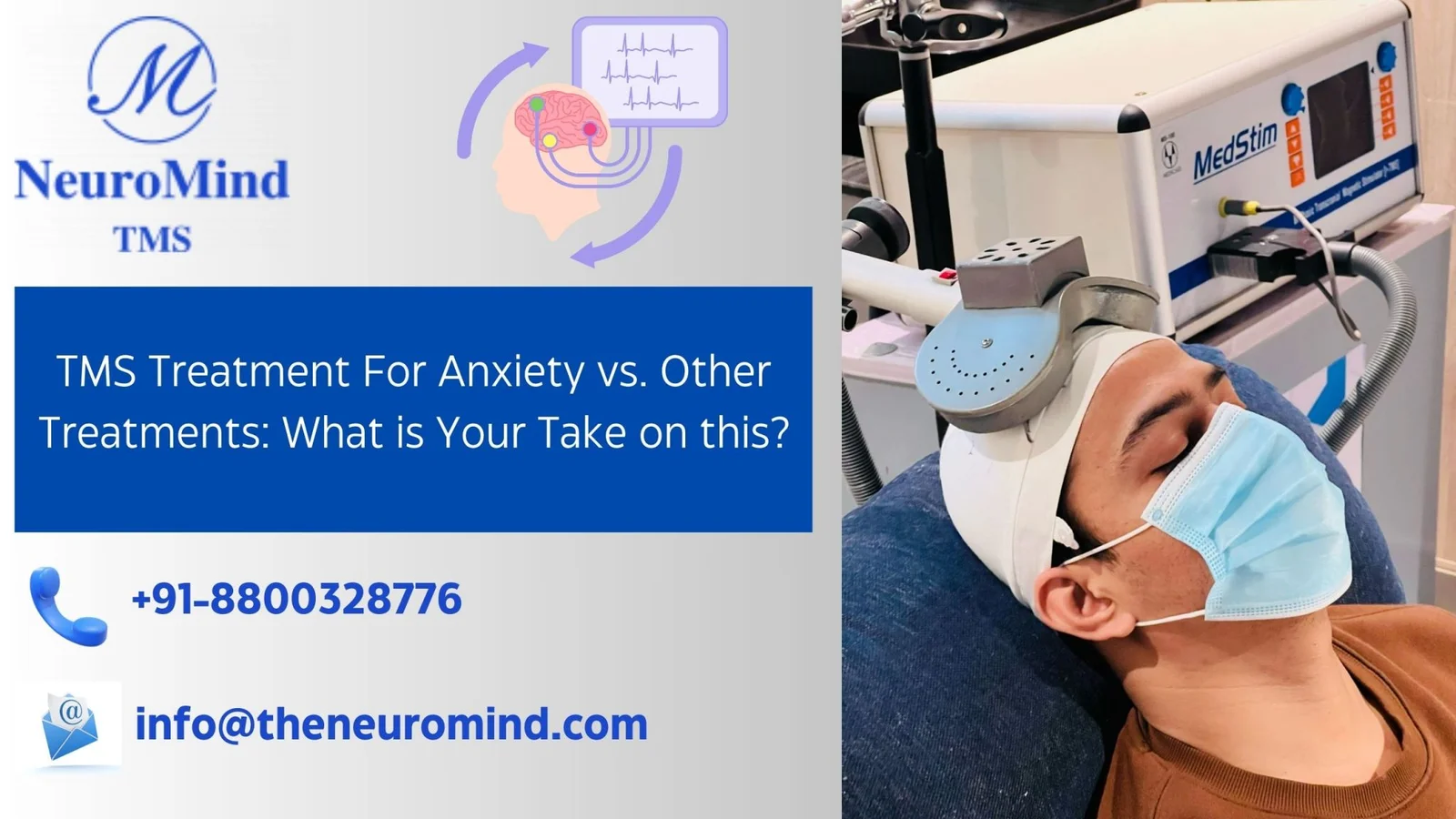
TMS Treatment For Anxiety vs. other Treatment: what is your take on this?

Today, Anxiety disorders are affecting millions of people across the world, impacting daily life & well-being. Fortunately...

Types and Symptoms of psychiatric disorders

A mental illness that disturbs your moods, thinking, and behavior and increases the risk of disability is called a psychiatric...

Related Youtube Videos

WHO WE ARE

Generally Asked Questions.

What are “fits” or seizures?

Fits, also called seizures, are sudden episodes of abnormal electrical activity in the brain. They may cause shaking, staring spells, loss of awareness, or unusual movements or sensations.

What causes fits?

Common causes include: Epilepsy High fever (especially in children) Head injury Stroke or brain infection Low blood sugar or electrolyte imbalance Alcohol/drug use or withdrawal Certain medications or sleep deprivation

What should I do when someone has a fit?

Do: ✔ Stay calm and move harmful objects away ✔ Turn the person on their side ✔ Loosen tight clothing, especially around the neck ✔ Time the seizure Do NOT: ✘ Put anything in their mouth ✘ Hold them down or stop movements ✘ Give water, food or medicine during the fit Seek emergency help if the fit lasts more than 5 minutes or repeats without recovery.