ALS Treatment by NeuroMind TMS

TMS, or transcranial magnetic stimulation, is a non-invasive procedure that uses magnetic fields to stimulate nerve cells in the brain. TMS has been shown to be effective in treating a variety of conditions, including amyotrophic lateral sclerosis (ALS). ALS is a progressive neurodegenerative disease that affects the motor neurons in the brain and spinal cord. As the disease progresses, people with ALS lose the ability to control their muscles, which can lead to paralysis and death.

TMS is thought to work in ALS by stimulating the brain’s motor cortex. This can help to improve muscle function and slow the progression of the disease.

The ALS treatment process by TMS typically involves the following steps:

  1. The patient will be fitted with a helmet that contains a coil. The coil will be placed over the area of the brain that controls the muscles that are affected by ALS.
  2. The doctor will then use a computer to control the intensity and duration of the magnetic pulses.
  3. The patient will feel a tapping sensation on the scalp during the procedure. This is caused by the magnetic pulses stimulating the nerve cells in the brain.
  4. The treatment typically lasts for about 30 minutes.
  5. The patient may experience some mild side effects after the procedure, such as headache or scalp discomfort. These side effects are usually short-lived.

TMS is a safe and effective treatment for ALS. It has been shown to improve muscle function and slow the progression of the disease in some people with ALS. TMS is typically used as an adjunct therapy to traditional rehabilitation.

The specific benefits of TMS for ALS treatment vary from person to person. However, some of the potential benefits include:

  • Improved muscle function: TMS can help to improve muscle function in people with ALS by stimulating the brain’s motor cortex. This can help to reduce muscle weakness and improve coordination.
  • Slowed progression of the disease: TMS may also help to slow the progression of ALS by stimulating the production of brain-derived neurotrophic factor (BDNF). BDNF is a protein that helps to protect and repair nerve cells.
  • Improved quality of life: TMS can also help to improve the quality of life for people with ALS by reducing fatigue and improving mood.

If you are interested in learning more about TMS for stroke treatment, please talk to NeuroMind TMS Today

Send a Quick Inquiry

Treatment with TMS Therapy

Depression

Anxiety

OCD

PTSD

Migraine

Bipolar Disorder

Doctors that helps in particular therapy

Dr. Angad Singh Kochar

Senior Psychiatrist - 12+ Years Experience

Dr. Pranjal Pandey

Neuro Surgeon - 10+ Years Experience

Dr. Desiree Saimbi

Senior Psychiatrist - 10+ Years Experience

Dr. Varun Prakash

MBBS MD ( Sr. Anaesthesiologist) - 10+ Years Experience

Related Blogs

Strengthen Your Mind Against Stress and Anxiety: Manage Its Impact

People from all over the world, living fast-paced lives, experience stress and anxiety every day. When committed to triggering...

Why Do Some Teens Develop OCD? Exploring the Causes and Triggers

Obsessive-compulsive disorder (OCD) is a mental health issue that can impact anyone but is most likely to start in adolescence. Many...

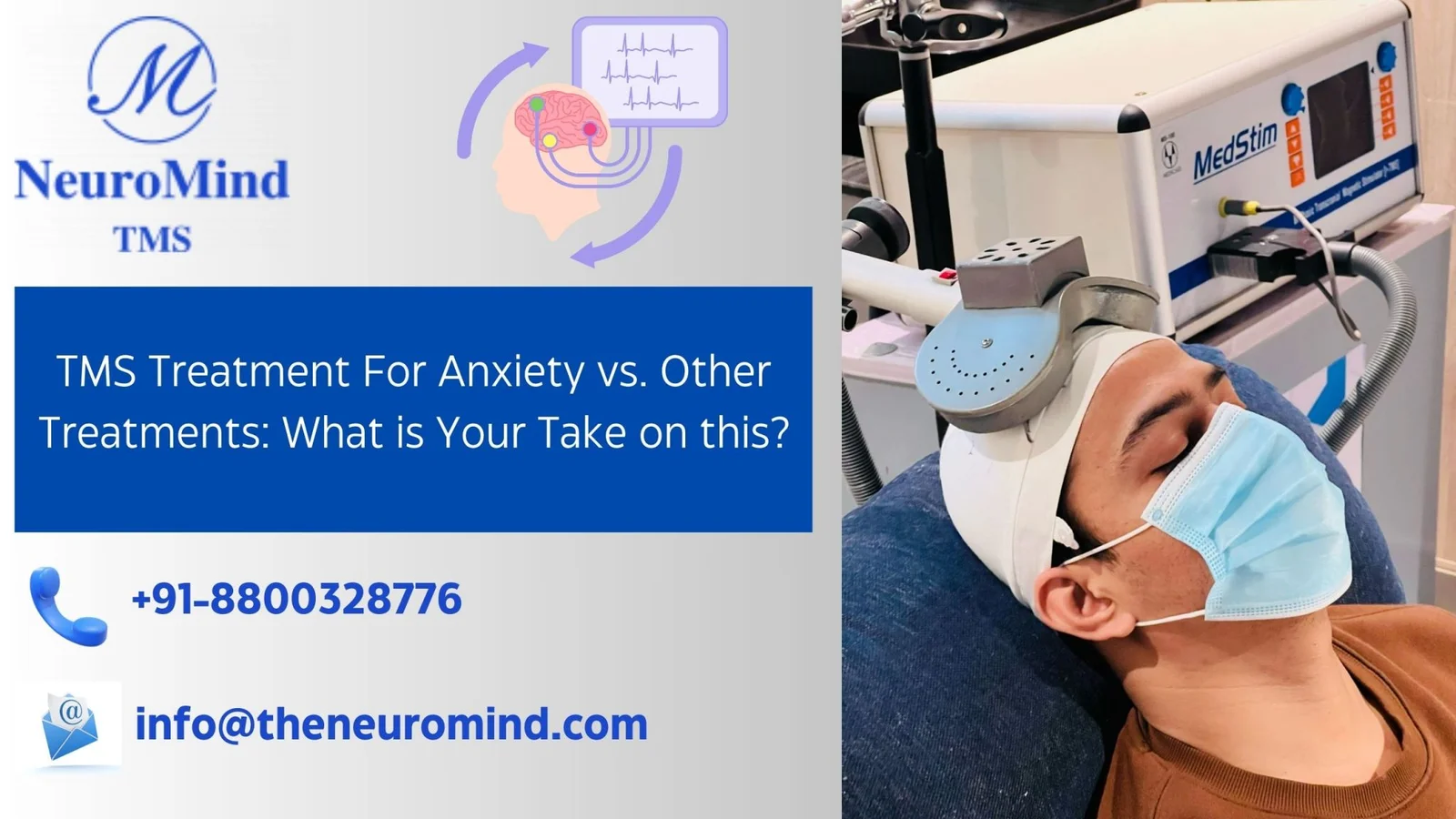
TMS Treatment For Anxiety vs. other Treatment: what is your take on this?

Today, Anxiety disorders are affecting millions of people across the world, impacting daily life & well-being. Fortunately...

Types and Symptoms of psychiatric disorders

A mental illness that disturbs your moods, thinking, and behavior and increases the risk of disability is called a psychiatric...

Related Youtube Videos

WHO WE ARE

Generally Asked Questions.

What is ALS?

ALS (Amyotrophic Lateral Sclerosis) is a progressive neurological disorder that affects the nerve cells responsible for muscle movement. Over time, muscles become weak, leading to difficulty in walking, speaking, swallowing, and breathing.

What treatments are available for ALS?

Treatment plans may include: Medications: such as Riluzole, Edaravone, and other approved therapies that slow progression in some patients Physical & Occupational Therapy: to maintain mobility and daily function Speech Therapy: for communication and swallowing difficulties Respiratory Support: non-invasive ventilation or breathing aids Nutrition Support: feeding strategies or PEG tube if needed Assistive Devices: walkers, wheelchairs, communication devices

How is ALS diagnosed?

Diagnosis usually involves: Neurological examination EMG/NCV tests (to check nerve and muscle function) MRI scans to rule out other conditions Blood tests and sometimes genetic testing ALS is diagnosed once other possible causes of symptoms are excluded.