Addiction is no longer viewed as a failure of character or discipline. Modern neuroscience clearly shows that addiction is a brain-based disorder involving disruptions in reward processing, impulse control, emotional regulation, and decision-making pathways. For this reason, recovery will involve efforts toward the neurological rebalancing of these systems rather than mere behavior suppression or temporary detoxification.
Advanced brain-based therapies have transformed addiction treatment for some time now. Instead of prolonged rehabilitation or dependence on long-term medication, neuroscience-led programs seek to restore healthy brain activity directly.
Substances like nicotine, alcohol, cannabis, opioids, and certain prescription medications hijack the reward pathways in the brain that are taken over by dopamine. Over repeated exposure, the brain becomes programmed to depend on these substances to maintain emotional balance and motivation. At the same time, the prefrontal cortex of the brain, associated with judgment and self-control, loses its controlling strength.
This neurological disruption causes:
Traditional approaches, involving detoxification or counseling in isolation, may manage physical as well as mental situations
Current advances in addiction recovery are based on a neuroscience framework that focuses on abnormal circuits of the brain associated with craving, compulsion, and relapse. The aim is to normalize the activity of the brain, which goes beyond symptom management.
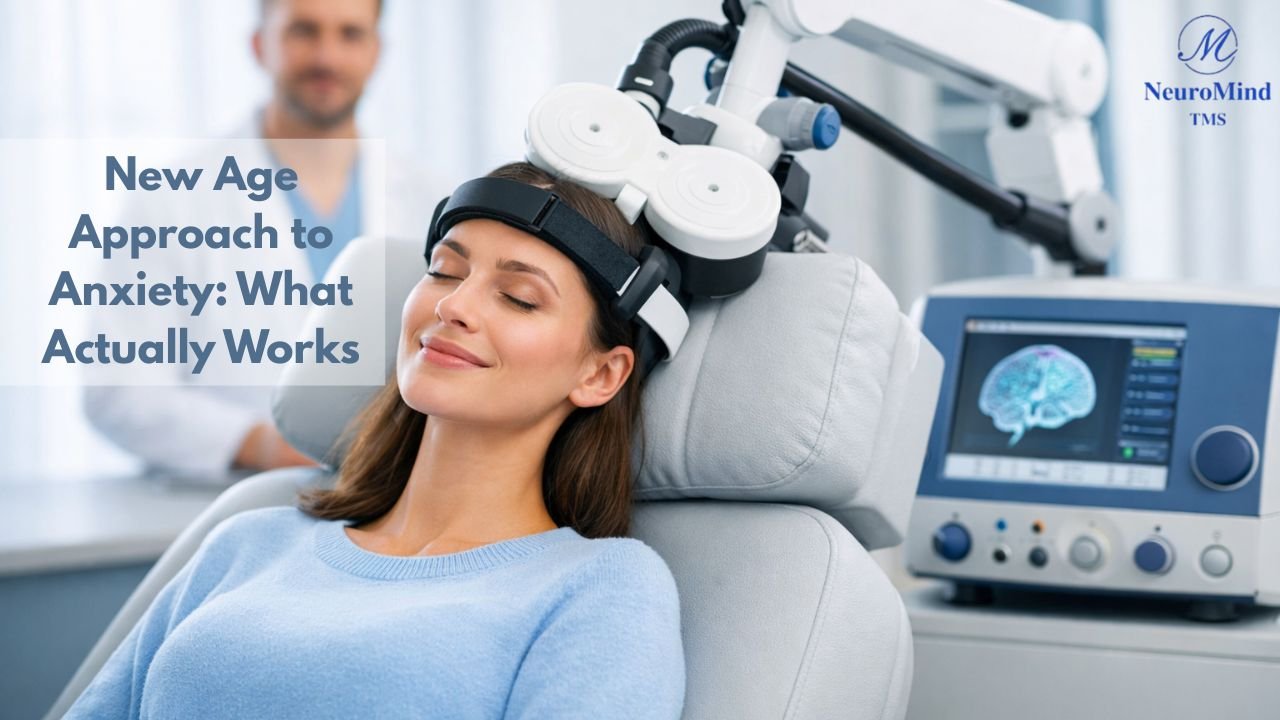
Transcranial Magnetic Stimulation (TMS) and Deep TMS (dTMS) are non-invasive and approved by the FDA to modulate the brain through magnetic impulses. It targets portions of the brain that is associated with addiction and are closely associated with:
According to clinical research, the following treatments can be beneficial:
Because this treatment method is drug-free and has no systemic action, it has special appeal for people seeking alternatives to inpatient rehabilitation or prolonged pharmaceutical treatments.
Addiction treatment programs include extensive psychiatric and psychological care
Oftentimes, addictions go together with conditions such as depression, anxiety, OCD, PTSD, and stress-related disorders. In these cases, when these conditions go untreated, addictions will often not be fully overcome.
Nonetheless, the advanced treatment model should incorporate comprehensive psychiatric assessment for the purpose of addressing dual diagnosis. This approach is effective in improving patient outcomes by concurrently addressing the addiction and the psychiatric factors.
Neurological recovery is reinforced through structured psychological interventions that are aimed at changing behaviors and coping styles. These include:
By integrating the recovery process in the brain with behavioral changes it enhances abstinence and lessens the potential for relapse.
Advanced brain-based treatment programs offer care to different spectrums of substance and behavioral addictions such as:
Every treatment plan is a personalized, confidential under clinical supervision for safety as well as efficacy.
Unlike classical methods, which include lengthy cycles of withdrawal and relapse, the goal of brain-based therapies is a rapid stabilization of the brain. Often, patients will notice relief in the first couple of sessions.
Commonly cited benefits include:
Post-treatment care and follow-through techniques are also offered for follow-up and maintaining sustained improvements past the treatment phase.
This approach has an extensive basis of support in over 160 global scientific studies and has been supported by over twenty years of neuroscience. These methods are standardized, internationally verified, and FDA-compliant safe practices.
One of the facilities that have been using this approach is NeuroMind, which has treated more than 3,000 patients for various factors such as addiction and complex mental health issues
Addiction is NOT what defines a person, and a successful recovery does NOT have to take years. Through understanding the neurological roots of addiction, science-based brain therapies provide a structured way for addiction sufferers to follow toward a permanent addiction recovery, mental clarity, and a significantly enhanced quality


Senior Psychiatrist - 12+ Years Experience
Neuro Surgeon - 10+ Years Experience
Senior Psychiatrist - 10+ Years Experience
MBBS MD ( Sr. Anaesthesiologist) - 10+ Years Experience
The most successful treatment for depression in delhi is a combination of non medication by the TMS.TMS works by creating a magnetic field that passes through the skull and stimulates nerve cells in the brain. This stimulation can help to improve mood, reduce Depression, and relieve pain.
Yes TMS is a promising new treatment for depression and other mental health conditions. It is a safe and effective option for people who have not responded to other treatments.
TMS is successful treatment for depression is a combination of non medication treatment.procedure is painless and takes about 30 minutes per session. Most people receive TMS treatment 5 times per week for 4-6 weeks.
Depression is not a lifelong condition, but it can be a chronic one. This means that it can come and go over the time.
NeuroMind TMS is a center that specializes in providing services for depression, anxiety, OCD and mental health treatment. The founder of the center is Dr. Nazim Ali Idrisi. The aim of NeuroMind TMS is to offer effective and accessible mental healthcare to individuals, regardless of their location.
J-203, Basement, Block J, Saket, New Delhi, Delhi 110017, India
F604 Al Taawun, Sharjah (UAE)
© 2018-2024, NeuroMindTMS. All Rights Reserved.